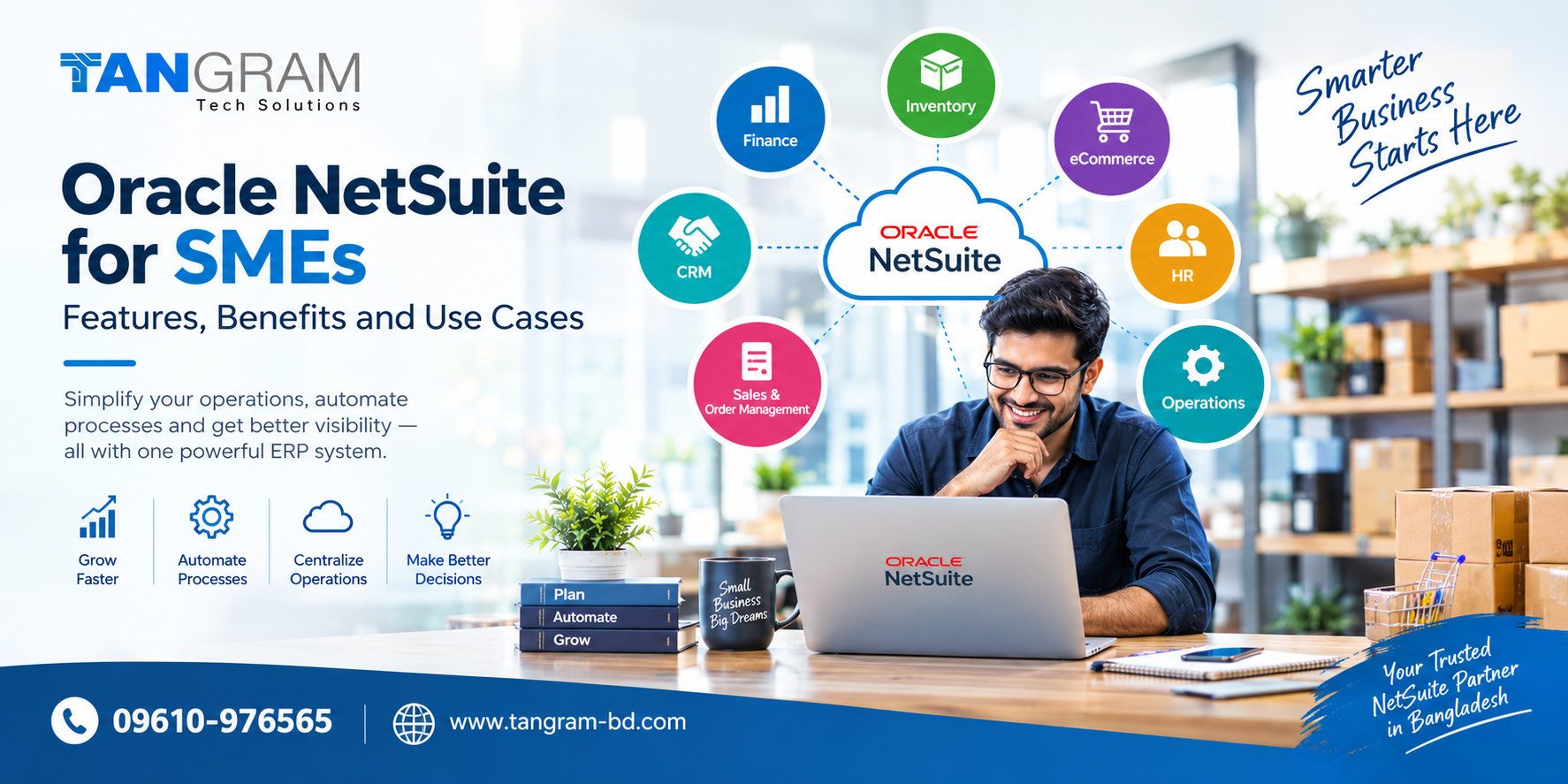
Oracle NetSuite for SMEs: Features, Benefits and Use Cases
Running a small or medium sized business becomes more complicated as the company grows. More customers, employees, products, suppliers, orders, and financial transactions all need to be managed properly.
In the early stages, spreadsheets and separate software may be enough. But after some time, many businesses end up using different tools for accounting, inventory, sales, purchasing, and other daily activities.
The challenge is not simply having several systems. The bigger challenge is keeping information accurate and making sure every team is working with the right data.
This is where Oracle NetSuite for SMEs can make a difference.
NetSuite brings important business functions together in one cloud based ERP platform. It can help growing companies manage finance, inventory, sales, purchasing, projects, employees, and other operations from one connected system.
Why Are SMEs Considering NetSuite?
Small and medium sized businesses need technology that can support their current needs while also allowing them to grow.
When business information is spread across spreadsheets and different applications, employees may spend a lot of time checking, updating, and sharing information manually. This can make everyday work slower and increase the chance of errors.
With an ERP system, important business information can be managed within one environment.
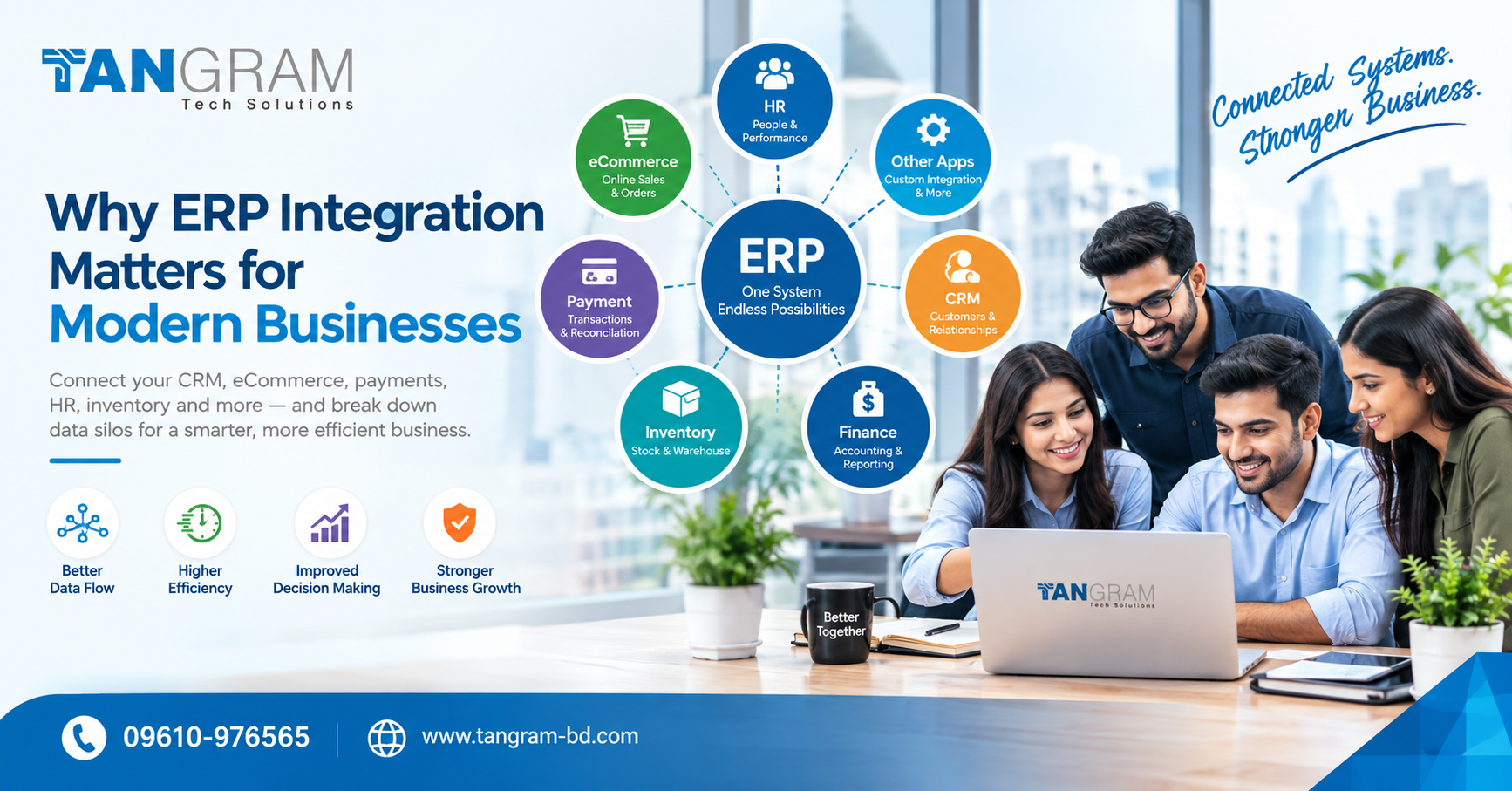
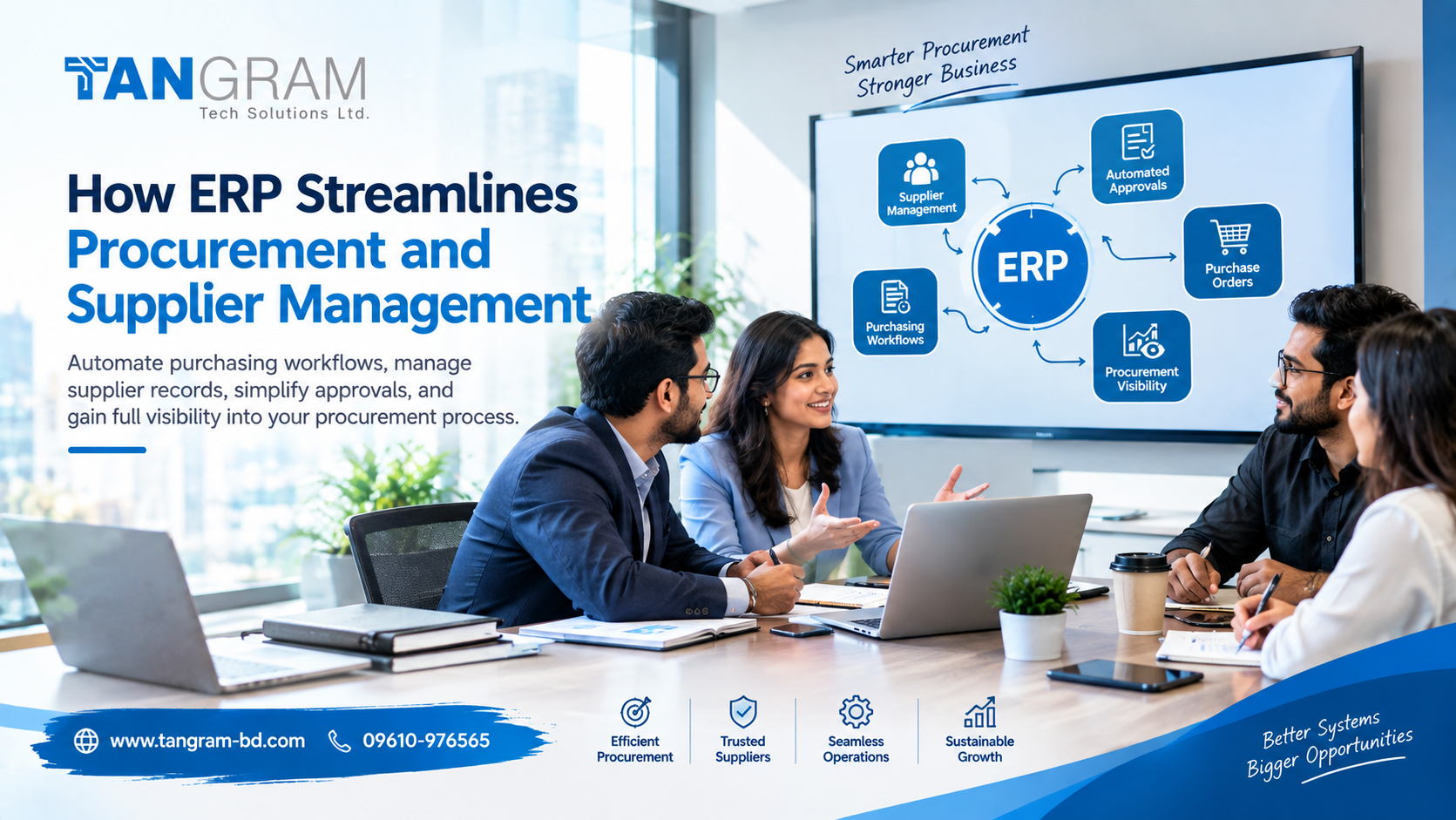
For example, sales information can be connected with inventory, purchasing can be connected with suppliers, and financial records can be linked with business transactions.
The goal is not to add more software. It is to make business operations easier to manage.
Key NetSuite Features for SMEs
1. Financial Management
Financial management becomes more demanding as transaction volumes increase.
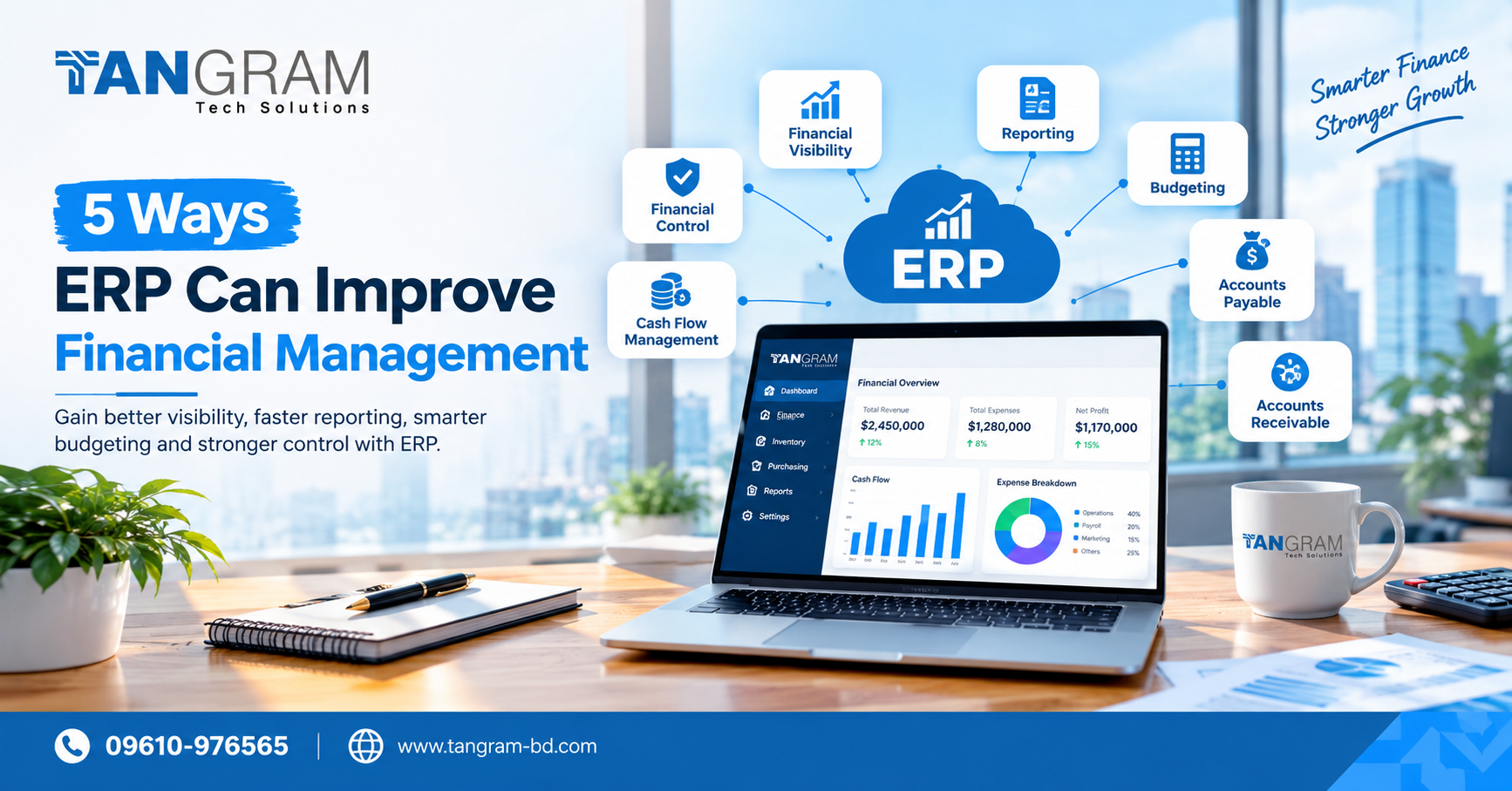
NetSuite supports accounting activities such as general ledger, accounts payable, accounts receivable, banking, financial reporting, and other financial processes.
Having financial information within the same ERP system can give business owners and managers a clearer view of daily transactions and overall financial performance.
2. Inventory Management
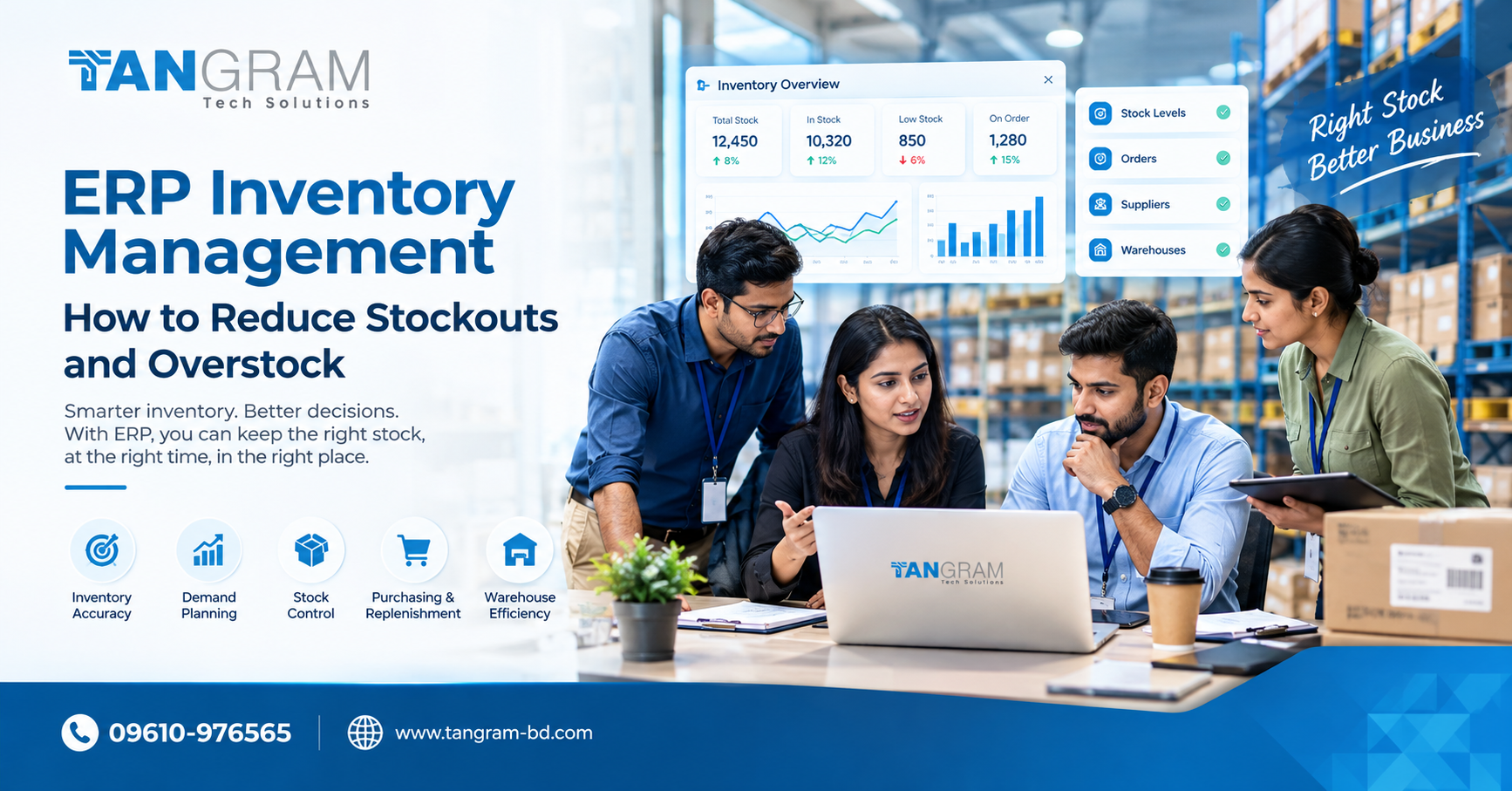
Managing inventory manually can become difficult when a company has a growing number of products, suppliers, warehouses, or sales channels.
NetSuite provides tools for managing items, stock information, purchasing, shipping, and other inventory related activities.
For SMEs, better inventory visibility can reduce unnecessary manual checking and help teams make better purchasing and stock decisions.
3. Sales and Order Management
As sales increase, managing customer orders through spreadsheets or separate systems can become time consuming.
NetSuite supports customer orders, fulfillment, billing, and related sales activities.
When sales and financial information are connected, employees do not need to repeatedly move the same information from one system to another. This can make the overall process easier to manage.
4. Reporting and Business Visibility
Business owners need to know what is happening across the company, not just within one department.
NetSuite provides dashboards and reporting tools that allow users to access information relevant to their roles.
This can help management monitor business activities, review important information, and make decisions using more connected data.
How NetSuite Can Benefit SMEs
One of the biggest advantages of using an ERP system is having important business information in one place.
Consider a simple sales transaction. Instead of entering the same information separately for sales, inventory, and finance, connected ERP processes can allow the information to move between the relevant areas.
This can reduce repetitive work and help maintain more consistent data.
Another important consideration for SMEs is scalability.
A business may begin with a small team and a limited number of products. Over time, it may add new customers, employees, locations, products, or sales channels.
A suitable ERP system should be able to support this growth without requiring the company to completely replace its core system.
Common NetSuite Use Cases for SMEs
Different types of businesses can use NetSuite according to their own requirements.
A retail or eCommerce business can use it to connect sales, inventory, purchasing, and financial activities.
A wholesale distributor can use NetSuite to manage customers, products, suppliers, inventory, orders, and fulfillment.
A service business can use it for customer management, projects, time tracking, billing, and financial reporting.
A manufacturing company can use ERP capabilities to connect production, inventory, purchasing, and financial processes.
The actual setup depends on the company’s industry, business size, existing processes, and future plans.
Is NetSuite Suitable for a Growing Business?
NetSuite can be an option for businesses that have started to outgrow spreadsheets or disconnected software and need a more centralized way to manage their operations.
However, choosing an ERP should not be based only on the features available.
Before making a decision, businesses should understand their current challenges, future goals, reporting needs, integrations, budget, data, and internal processes.
Proper planning is also important. ERP implementation may involve system configuration, data migration, employee training, testing, and ongoing support.
NetSuite for SMEs in Bangladesh
Businesses searching for ERP in Bangladesh, ERP software in Bangladesh, or NetSuite in Bangladesh may have specific requirements related to accounting, inventory, sales, reporting, integrations, and daily workflows.
This is why the implementation process matters as much as the ERP software itself.
Tangram Tech Solutions provides Oracle NetSuite consulting, implementation, customization, integration, data migration, training, and ongoing support for businesses in Bangladesh.
Working with an experienced NetSuite Business Solution Provider can help businesses understand their requirements and configure the system around their actual operations.
Conclusion
Business growth naturally brings more responsibility and more information to manage.
As customers, products, employees, transactions, and processes increase, spreadsheets and disconnected applications can become difficult to maintain.
Oracle NetSuite for SMEs provides a connected ERP environment that can support finance, inventory, sales, purchasing, order management, projects, employees, and reporting.
The important part is not simply choosing an ERP system. The system needs to fit the way the business operates and support where the company wants to go next.
For businesses exploring NetSuite ERP Bangladesh, NetSuite in Bangladesh, or other ERP software, understanding the company’s requirements should be the first step toward choosing the right solution.
Website: www.tangram-bd.com
Contact: 09610 976565