Many companies still rely on spreadsheets, manual reporting, or disconnected software systems to monitor their operations. While these methods may have worked in the past, they often lead to delayed reporting, duplicate data, limited visibility, and slow decision-making. Managers may spend hours collecting information from different departments before they can analyse performance or identify potential problems. By the time reports are ready, the data may already be outdated, making it difficult to respond to new opportunities or business risks.
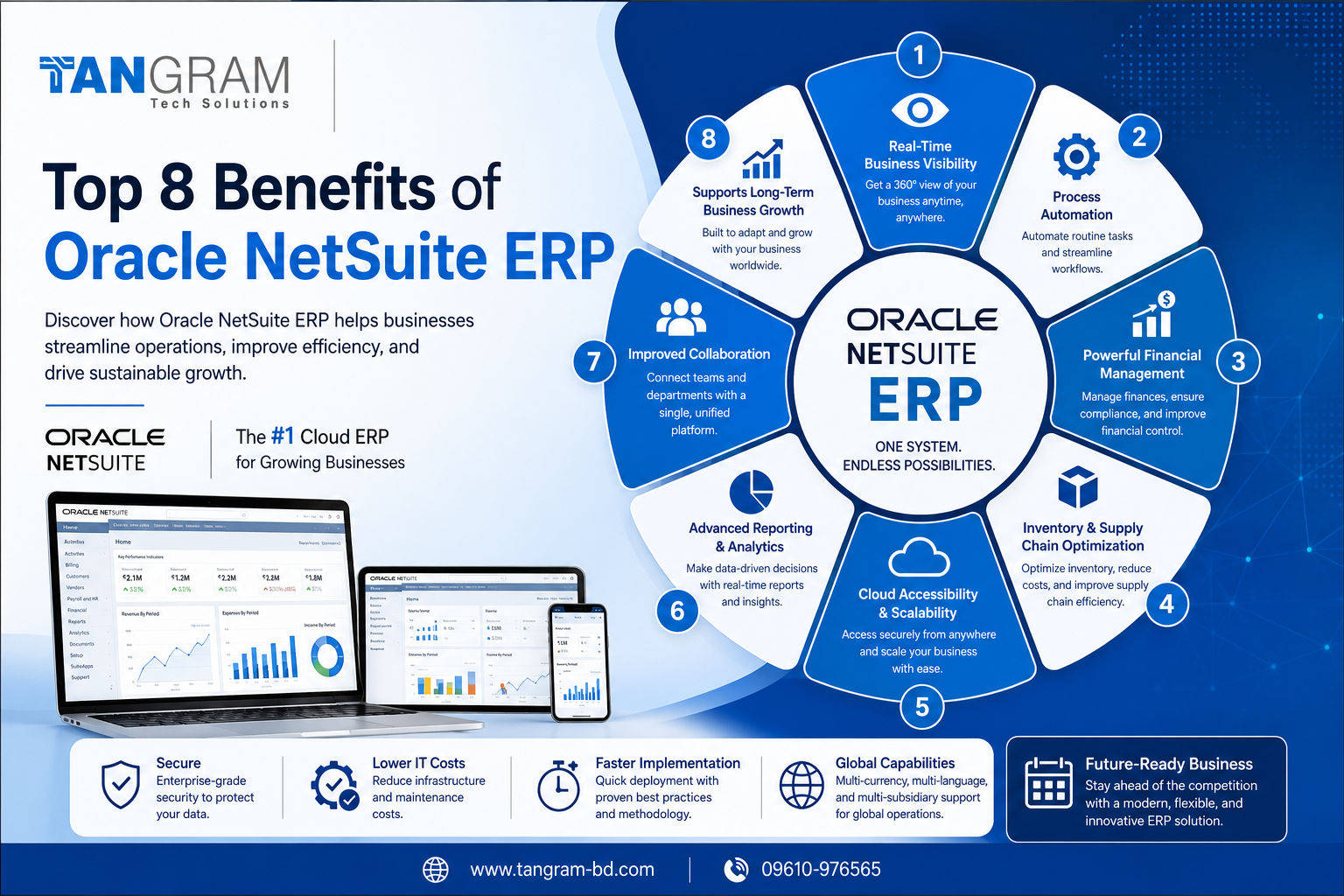
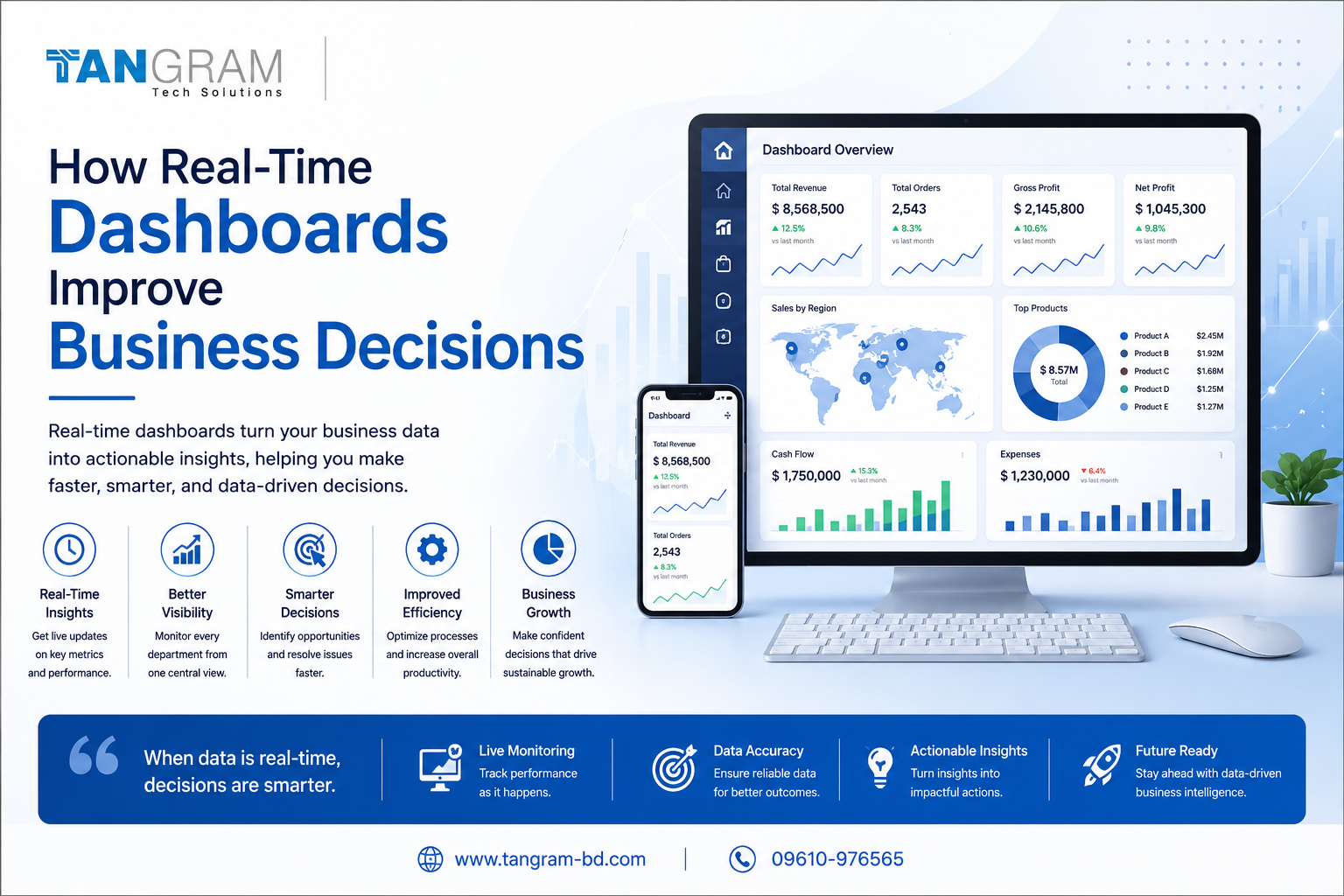
This is where real-time business dashboards become a game changer. Integrated with modern Enterprise Resource Planning (ERP) systems such as Oracle NetSuite, real-time dashboards consolidate information from finance, sales, procurement, inventory, customer relationship management (CRM), warehouse operations, and other business functions into one centralised view. Instead of waiting for weekly or monthly reports, business leaders can instantly access live data, monitor key performance indicators (KPIs), and identify trends as they happen.
Real-time dashboards transform raw business data into meaningful insights through interactive charts, graphs, and visual reports. They help managers track performance, detect bottlenecks, forecast future trends, and make informed decisions with greater confidence. Whether you’re a small business looking to improve efficiency or a large enterprise managing multiple departments, dashboards provide the visibility needed to stay competitive in a rapidly changing market.
In this article, we’ll explore how real-time dashboards improve business decisions, the key benefits they offer, and why they have become an essential component of modern ERP and business intelligence solutions.