
How ERP Automation Reduces Manual Work and Business Errors
As a business grows, the amount of everyday paperwork and administration tends to grow with it. Employees may spend hours updating spreadsheets, entering the same information into different systems, chasing approvals and correcting mistakes. These tasks take time away from serving customers and improving business operations.
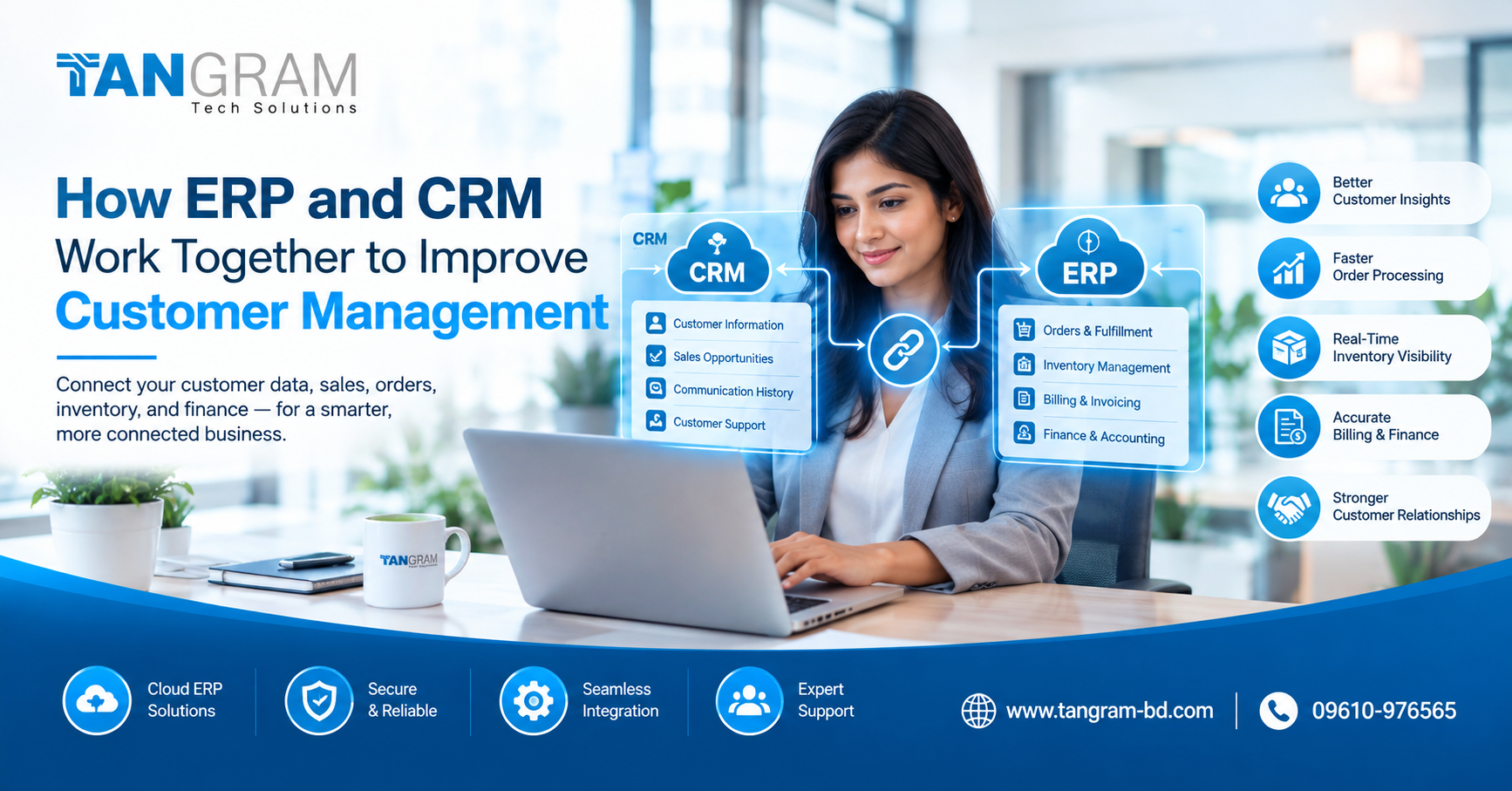
ERP automation helps reduce this burden by connecting departments and handling routine tasks through predefined workflows. Instead of relying on repeated data entry and manual follow ups, employees can work with more consistent information and focus on decisions that need their attention.
For businesses looking for ERP software in Bangladesh, automation can be a practical way to improve efficiency and maintain better control as operations expand.
1. Reduce Repetitive Data Entry
Entering the same information in several places wastes time and increases the chance of mistakes. A small error in a sales order or customer record can create additional work for other departments.
An integrated ERP system allows information to move between connected business functions. For example, details entered when a sales order is created can support inventory checks, order processing and invoicing without requiring employees to re-enter everything.
This reduces duplicate work and helps keep business records consistent.
2. Make Approvals Easier to Manage
Purchase requests, expense claims and payment approvals can become delayed when employees depend on emails or paper documents to move them forward.
ERP workflow automation can send requests to the appropriate manager according to predefined rules. Employees can track progress, while managers can see which requests still need attention.
Businesses can also establish approval limits based on their internal policies. This helps prevent unnecessary delays while ensuring that important financial decisions receive the required authorization.
3. Improve Accuracy in Financial Work
Finance teams deal with invoices, expenses, payments and reports, often under tight deadlines. When information is entered manually across different systems, even a minor mistake can lead to incorrect figures or time consuming corrections.
ERP automation helps connect transactions with relevant records and supports routine financial processes. This can reduce repetitive entry and make discrepancies easier to identify.
Human review remains essential, particularly for unusual transactions and important financial decisions. The advantage is that employees can spend less time on routine administration and more time checking figures and preparing reliable reports.
4. Keep Inventory and Purchasing in Sync
Poor coordination between purchasing and inventory teams can lead to unnecessary orders or unexpected stock shortages.
An ERP system connects inventory records with purchasing and operational requirements. Depending on how the system is configured, businesses can set stock alerts, review replenishment needs and generate purchase suggestions when inventory reaches a specified level.
This helps teams make purchasing decisions using current information rather than incomplete records or guesswork.
5. Connect Sales with Daily Operations
When a customer places an order, several departments may need to act. Sales confirms the details, inventory checks availability, operations prepares the goods, and finance handles the invoice.
When each department works with separate records, important updates can be missed. An integrated ERP system connects these activities so employees can access consistent information.
Automated notifications and predefined workflows help the right people take action at the right time. This makes orders easier to track and improves coordination from the initial sale through delivery and invoicing.
ERP Automation for Businesses in Bangladesh
As transaction volumes increase, manual processes can become harder to manage. Businesses with several departments or branches need reliable information to keep purchasing, inventory, sales and finance working together.
For companies researching NetSuite ERP Bangladesh, Oracle NetSuite provides cloud based ERP capabilities that connect financial management with other business processes. The automation available depends on the company’s requirements, system configuration and implementation approach.
Tangram Tech Solutions supports businesses with NetSuite implementation, customization, integration, data migration, training and ongoing support.
Conclusion
ERP automation is not simply about replacing manual work with software. It is about making everyday processes more reliable, reducing avoidable mistakes and helping employees get the information they need without unnecessary delays.
Start by identifying tasks that require repeated data entry, approvals that regularly get held up and processes where errors occur most often. Improving these areas first can help your business save time and work more efficiently.
Looking for ERP solutions in Bangladesh?
Visit www.tangram-bd.com to learn more about Tangram Tech Solutions and its NetSuite ERP services.
Telephone: 09610-976565