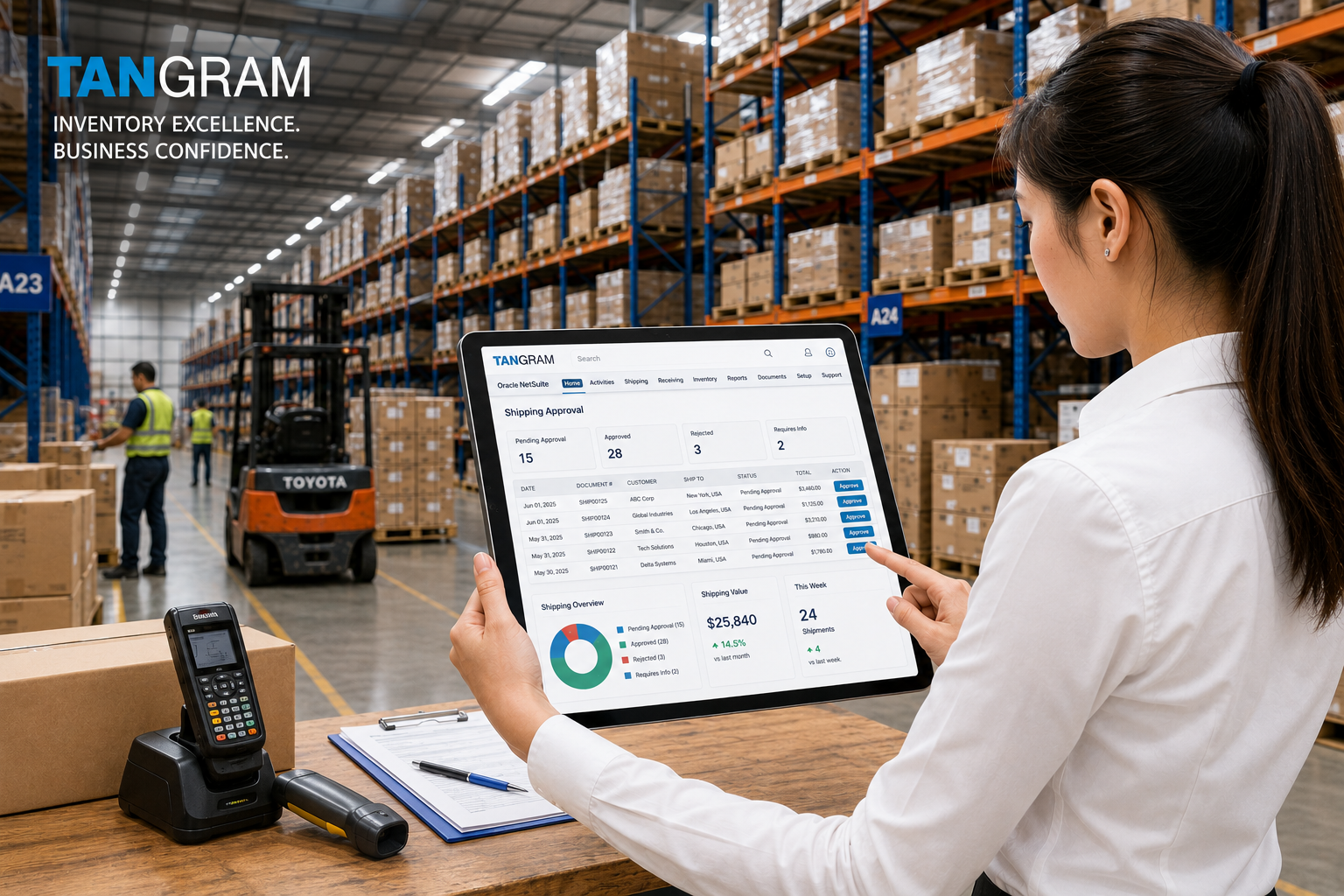

The Real Benefits of NetSuite Inventory Management
If you’re running a growing eCommerce or multi-channel business, inventory is probably one of two things right now: your biggest source of confidence, or your biggest source of headaches. Spreadsheets, manual stock counts, and disconnected sales channels can only take a business so far before overselling, stockouts, and messy month-end closes start eating into margins and customer trust.
That’s where NetSuite’s Inventory Management module comes in. As a unified, cloud-based system, it doesn’t just track stock — it connects inventory to sales, purchasing, fulfillment, and financials in real time. Here’s a breakdown of the benefits that matter most.
1. Real-Time, Accurate Stock Visibility
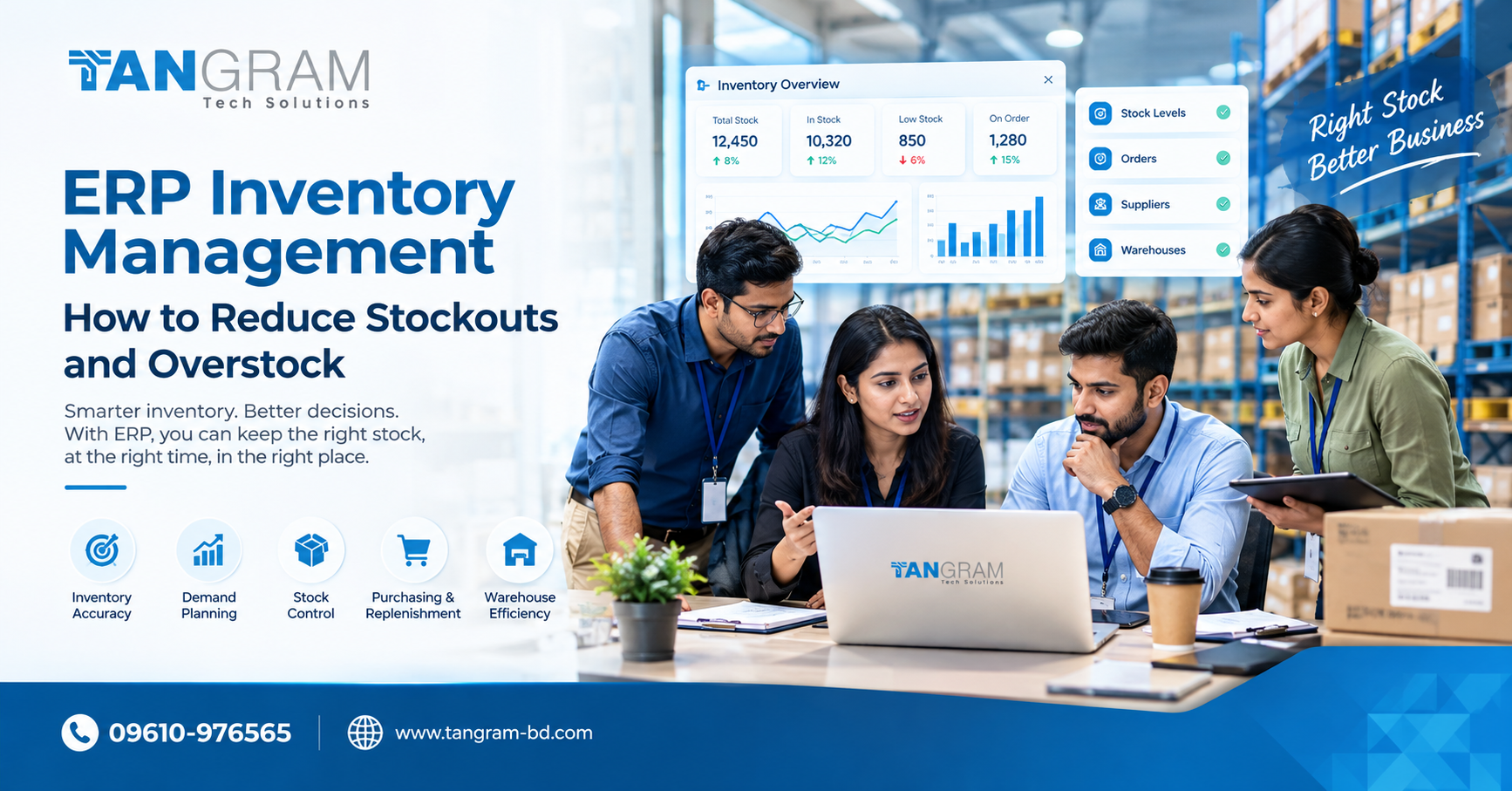
NetSuite gives you a single source of truth for inventory across every location, warehouse, and sales channel. Instead of reconciling numbers from Amazon, Shopify, and your warehouse spreadsheet separately, you see live, accurate stock levels in one dashboard — which means fewer overselling incidents and fewer frustrated customers.
2. Multi-Location and Multi-Channel Control
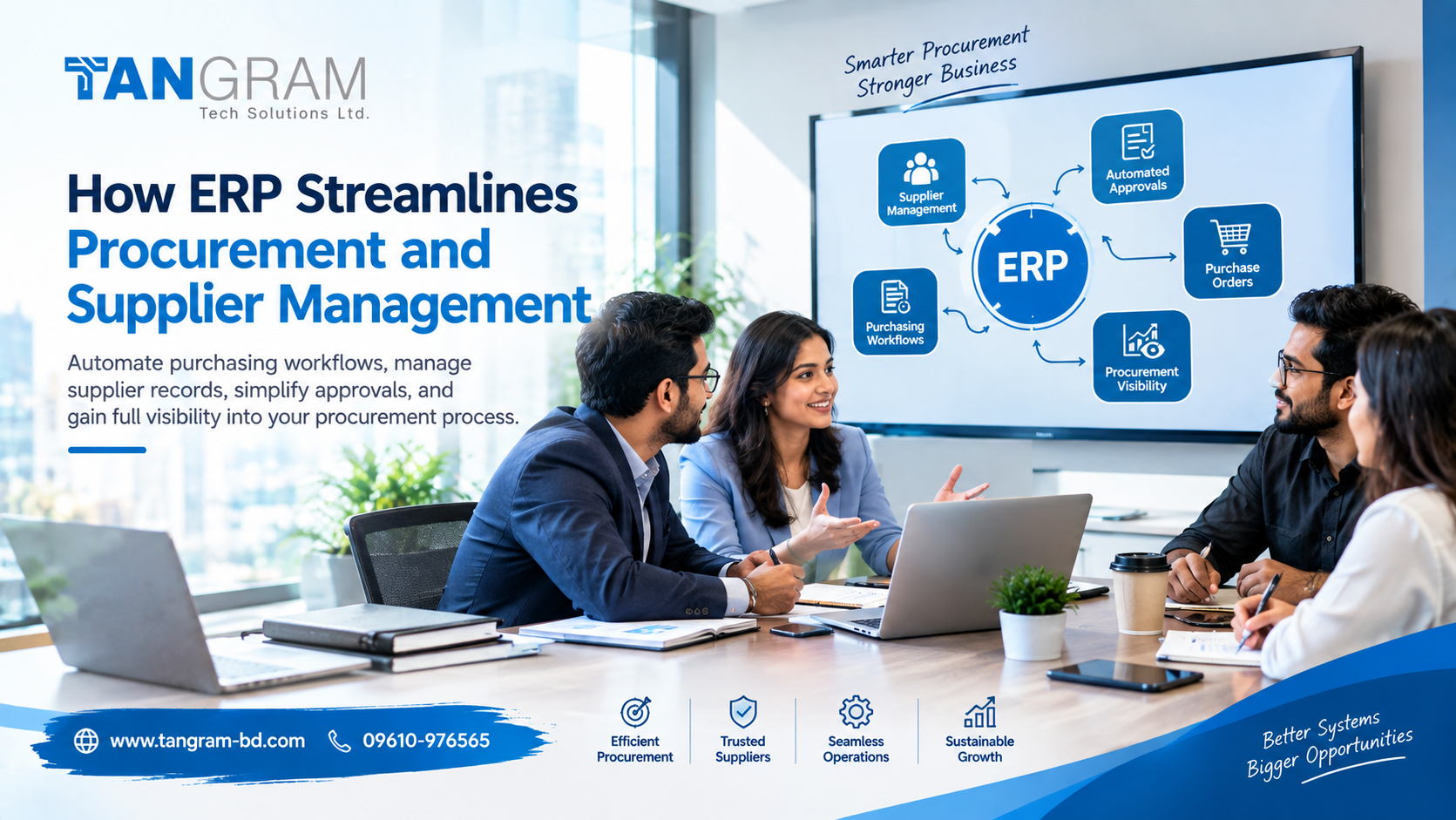
Whether you’re managing multiple warehouses, 3PLs, or retail locations, NetSuite tracks inventory by location and automatically allocates stock based on rules you set. Combined with integrations like Amazon, Shopify, and Celigo, orders from every channel sync back into one inventory count — no more manual updates between platforms.
3. Demand Planning and Reorder Automation
NetSuite can calculate reorder points and preferred stock levels based on historical sales data and lead times. This helps prevent both stockouts (lost sales) and overstocking (tied-up cash), and it takes the guesswork out of “how much should we order this month?”
4. Built-In Costing and Valuation Accuracy
Inventory costing methods — FIFO, average cost, or standard costing — are handled natively, which keeps your Cost of Goods Sold (COGS) and inventory valuation accurate on your financial statements. This matters enormously at month-end and year-end close, where inventory discrepancies are one of the most common sources of reporting errors.
5. Serialized, Lot, and Bin Tracking
For businesses that need traceability — whether for quality control, expiration dates, or compliance — NetSuite supports serial number and lot tracking down to the bin level. If there’s ever a recall or a quality issue, you can trace affected units instantly instead of guessing.
6. Seamless Connection to the Rest of Your Financials
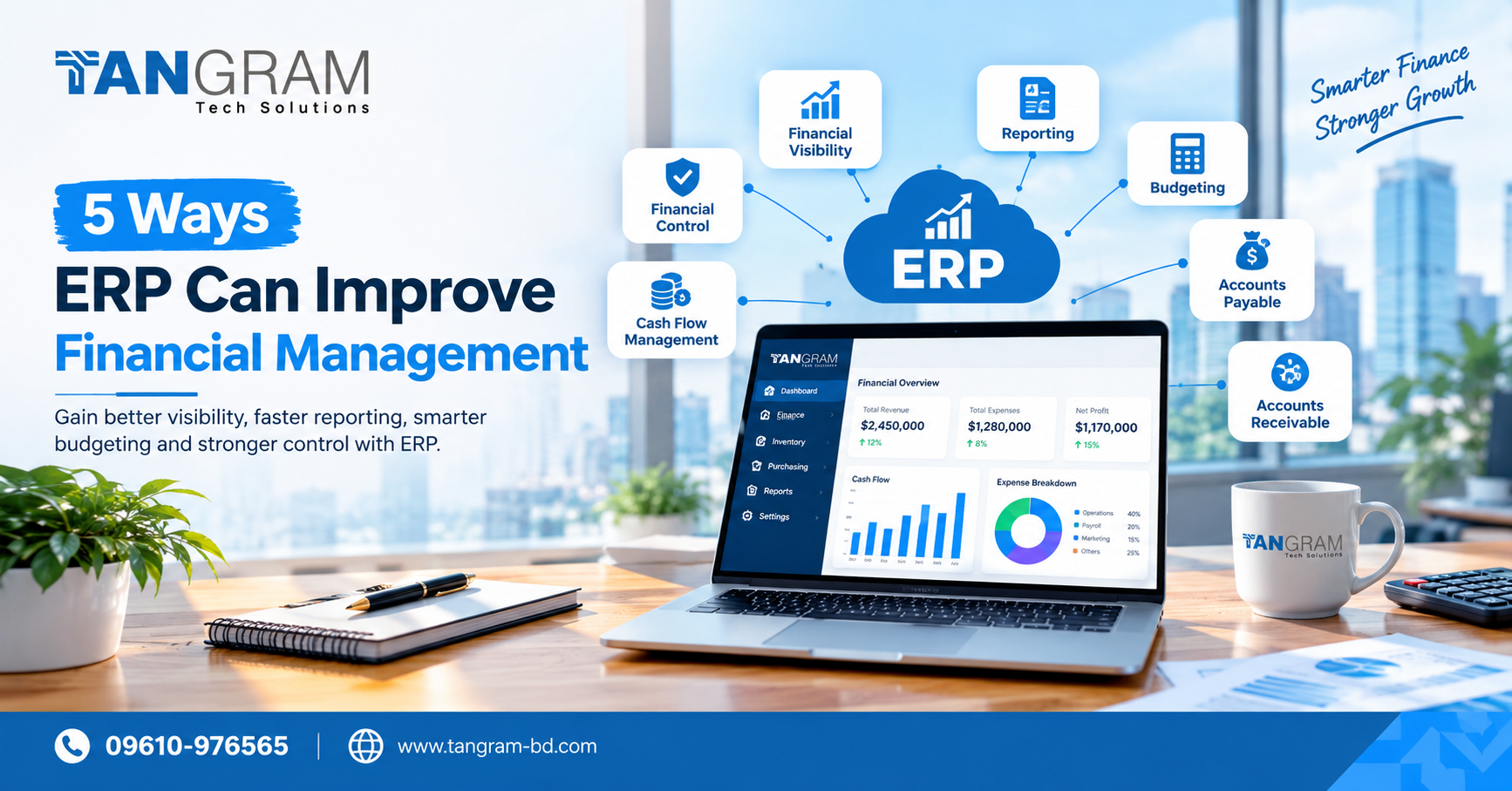
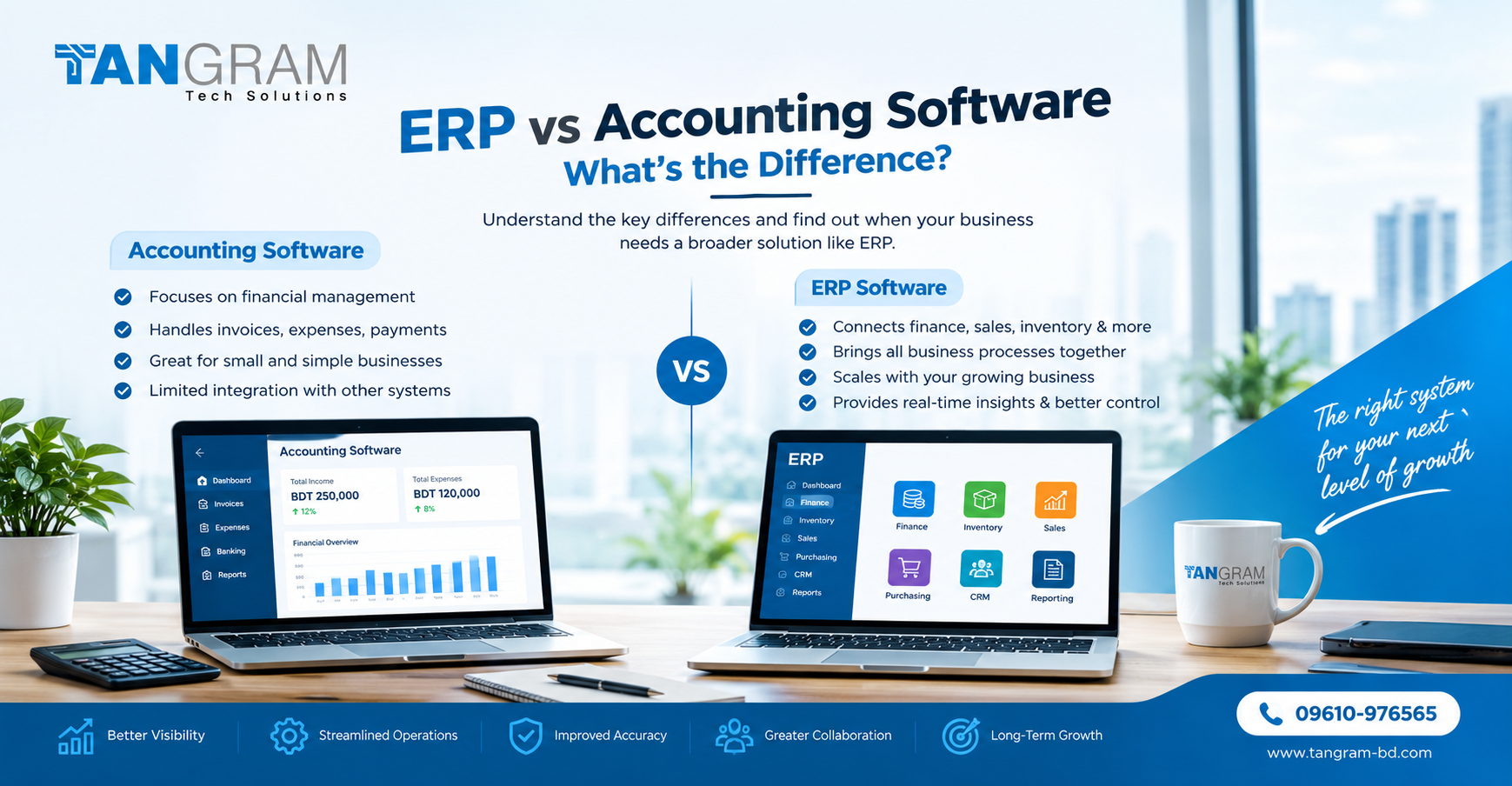
This is where NetSuite really separates itself from standalone inventory tools. Because inventory sits inside the same system as your general ledger, AP, AR, and reporting, every stock movement automatically updates your financials. There’s no manual journal entry to “true up” inventory — reconciliations become far faster and far more reliable.
7. Scalability as You Grow
A spreadsheet-based or entry-level system might work fine at low order volumes, but it breaks down fast as SKU counts, channels, and locations multiply. NetSuite is built to scale with you, whether that means adding new warehouses, expanding into new sales channels, or layering in advanced features like demand planning and WMS as your business matures.
Final Thoughts
Good inventory management isn’t just an operations issue — it’s a financial accuracy issue. When your inventory numbers are wrong, your COGS, margins, and financial statements are wrong too. NetSuite’s Inventory Management module closes that gap by tying real-time stock data directly to your books, so what you see on the shelf matches what you see on the balance sheet.
If your business is dealing with overselling, messy reconciliations, or inventory numbers that never quite match your financials, it may be time to see what a properly configured NetSuite setup can do.
The demand for NetSuite in Bangladesh continues to grow as organizations embrace cloud ERP solutions to enhance efficiency and competitiveness. Tangram Tech Solutions Limited provides end-to-end Oracle NetSuite ERP services, including implementation, customization, integration, data migration, user training, and long-term support, helping businesses achieve a seamless digital transformation.